Skip to content
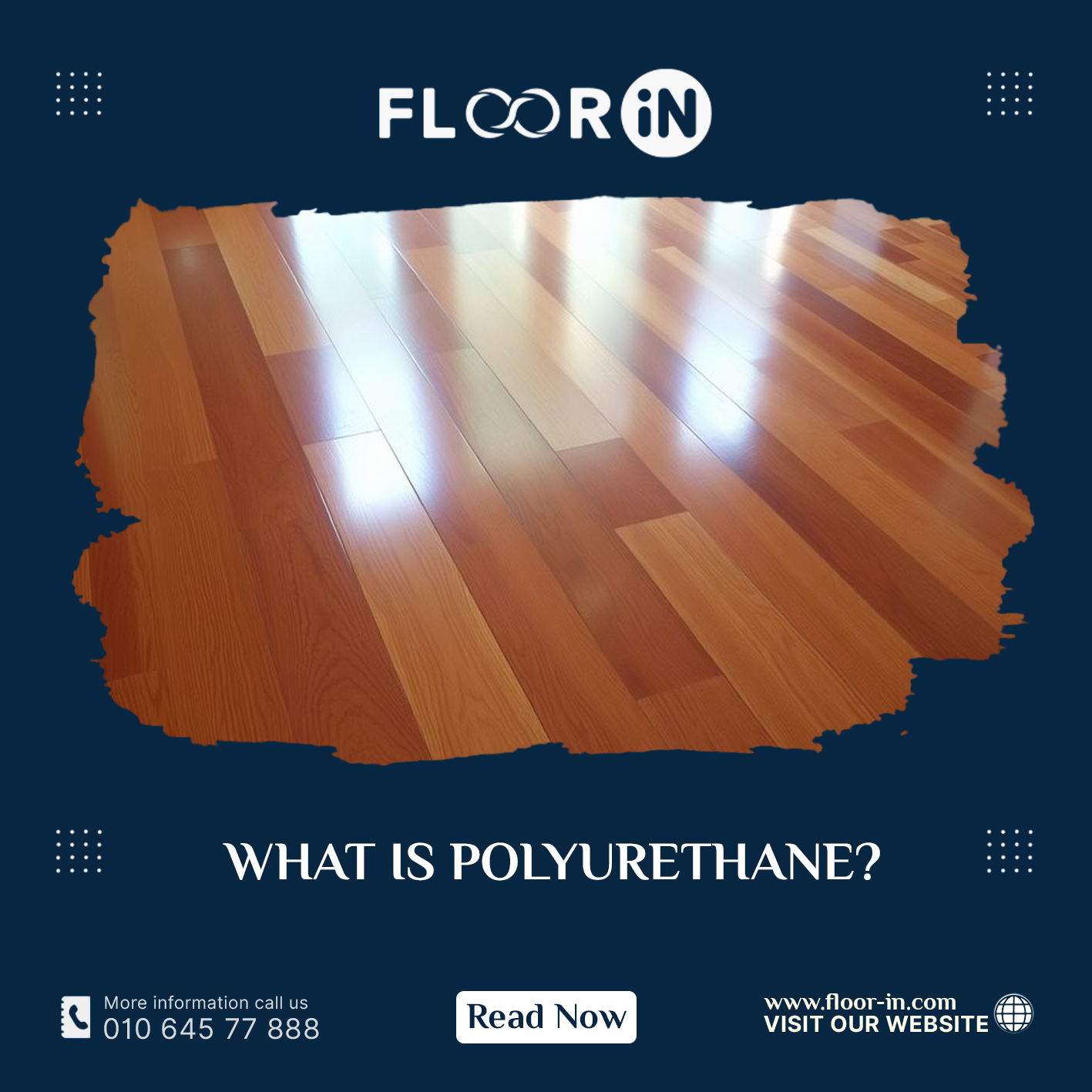
What is Polyurethane? Polyurethane is widely used in insulation. It is a synthetic polymer with numerous applications, ranging from furniture and insulation to car seats and flooring. Polyurethane is created by combining two or more monomers — small molecules that can chemically bond to form a polymer. It can be either rigid or flexible. In this article, we will explore polyurethane in more detail.
What is Polyurethane?
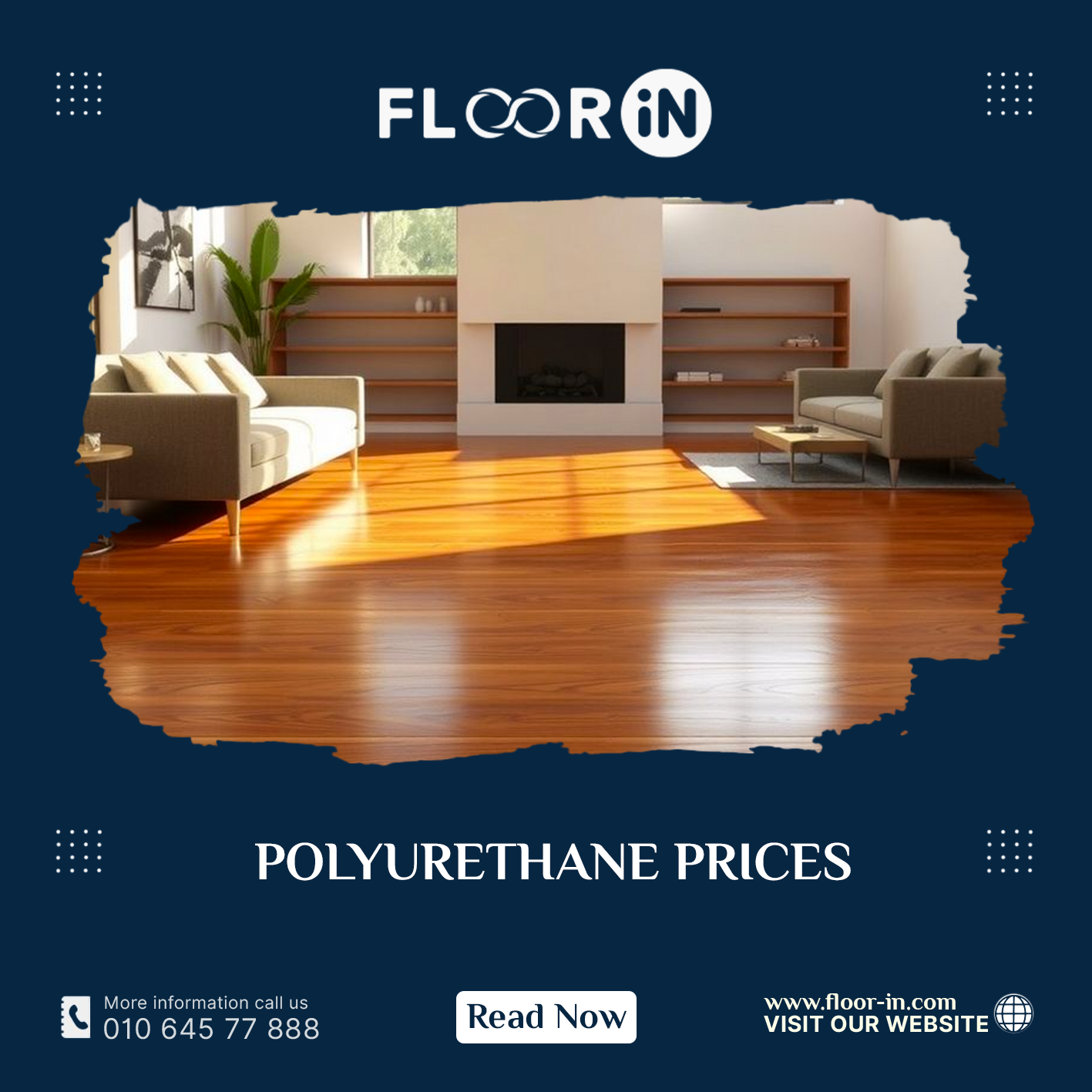
Polyurethane is used in a variety of industries and applications due to its unique properties that other materials do not possess. It is primarily used as an insulating material, including for flooring insulation. Polyurethane is a polymer made from two or more monomers (commonly diisocyanates and polyols), which react together to form the final polymer. The cost of polyurethane is reasonable considering its versatile benefits.
Uses of Polyurethane
Polyurethane is highly versatile, durable, and long-lasting. Here are some of its key applications:
-
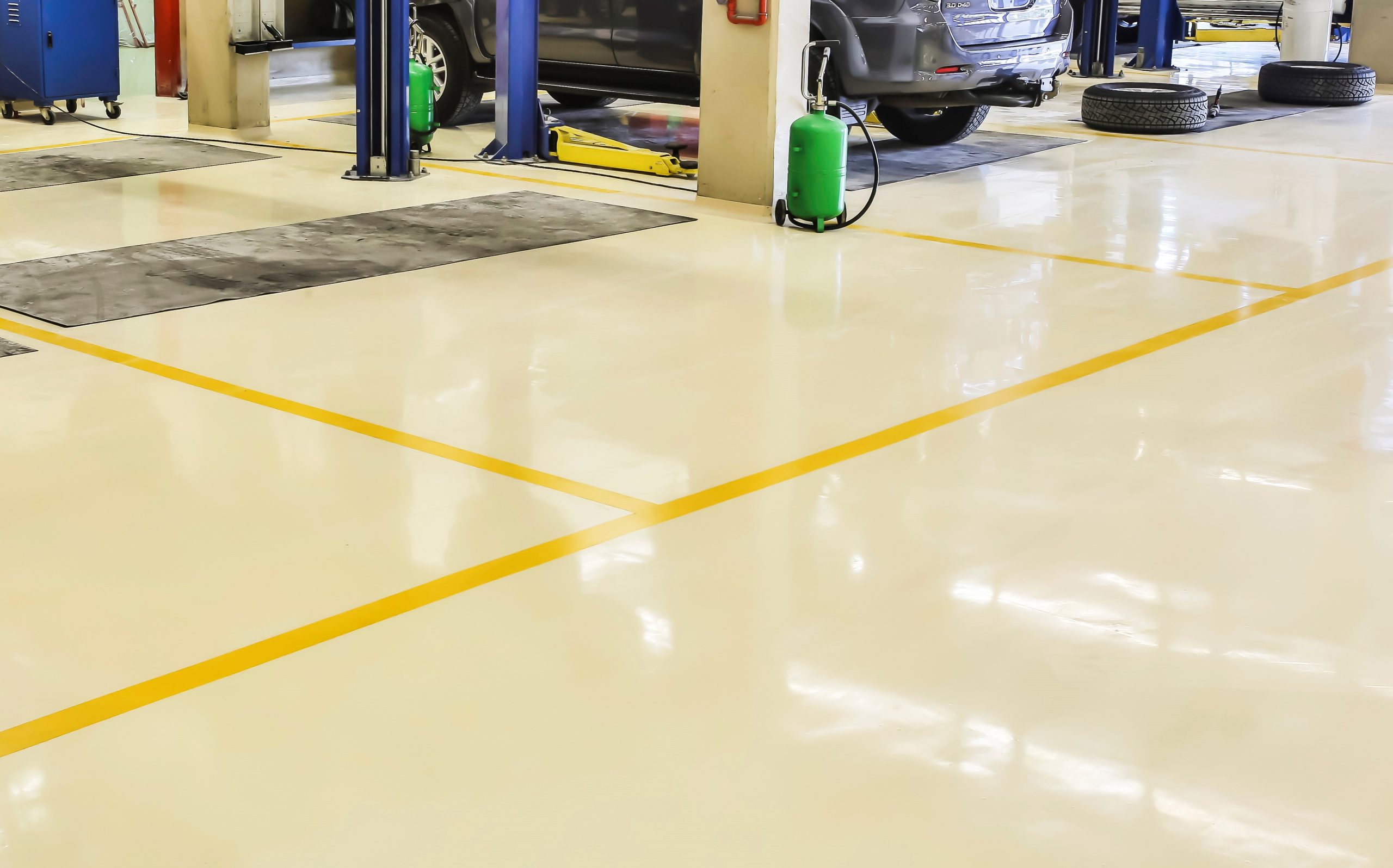
Flooring: One of the most common uses of polyurethane is for flooring. It is strong, durable, and can withstand heavy pressure.
-
Insulation: Polyurethane is an excellent insulator, helping to keep spaces warm in winter and cool in summer.
-
Sealing: It is highly effective as a sealant and can be used to close windows and doors. It is water and moisture resistant.
-
Furniture Protection: Polyurethane protects furniture and helps prevent scratches and damage.
-
Construction Applications: It can be used in building materials, such as ceiling tiles, wall panels, and other construction elements.
-
Coatings: Polyurethane is commonly used as a coating for metals, wood, and other surfaces to prevent wear and damage.
-
Crack Filling and Sealing: Polyurethane is effective for sealing cracks and gaps in walls, floors, and other surfaces.
Floor-IN: Expert Application of Polyurethane Flooring Systems
Floor-IN is a specialized provider of advanced flooring solutions, including high-performance ، What is Polyurethane? polyurethane (PU) floor systems designed for environments requiring superior elasticity, impact resistance, and long-term durability. With over 20 years of industry experience and operational presence in Cairo and Dubai, Floor-IN delivers customized polyurethane flooring for industrial plants, food processing facilities, pharmaceutical factories, parking garages, commercial kitchens, and settings where floors must withstand continuous mechanical stress and thermal variation.
The company offers full-service project execution—from substrate evaluation and mechanical surface preparation to selecting the appropriate PU formulation and applying multi-layer systems that enhance safety and hygiene. Floor-IN’s polyurethane flooring options include anti-slip surfaces, UV-stable topcoats, seamless hygienic finishes, and chemical-resistant layers suitable for heavy-duty environments. Their expertise demonstrates how polyurethane stands out as a flexible alternative to epoxy, especially when shock absorption, comfort underfoot, or resistance to temperature fluctuation is required.
Properties of Polyurethane
What is Polyurethane? Polyurethane is a versatile material with many distinguishing properties:
-
Strength and Durability: It can withstand high pressure, making it ideal for demanding applications.
-
Flexibility: Polyurethane can be bent or stretched without breaking, suitable for furniture, automotive parts, and flooring.
-
Environmentally Friendly: It is eco-friendly and a popular choice for sustainability-conscious consumers.
-
Easy to Clean: Can be washed with water and soap.
-
Stain and Discoloration Resistant
-
Thermal Insulation: Helps maintain warmth in winter and coolness in summer.
-
Resistance to Wear and Tear
-
High Thermal Resistance: Suitable for applications requiring heat tolerance.
-
Water Resistance: Ideal for projects requiring moisture protection.
-
Shock Absorption: Protects against impact, making it suitable for protective applications.
-
Chemical Resistance: Resistant to many chemicals, providing corrosion protection.
-
Fire Resistance: Helps protect buildings and structures in case of fire.
Conclusion
What is Polyurethane? Polyurethane is an excellent insulating material with high energy efficiency, making it one of the top choices for flooring in large companies and factories. It is highly effective at preventing heat transfer, making it ideal for businesses looking to reduce energy costs. Additionally, polyurethane insulation is moisture-resistant, ensuring optimal performance even in humid environments.