Skip to content
Epoxy material prices vary depending on several factors. Epoxy is one of the most widely used materials in the market, as it can bond a variety of materials together, making it a versatile adhesive for many projects. However, the price of epoxy can differ based on the type and quantity. In this article, we will explore the key factors that determine the cost of epoxy material.
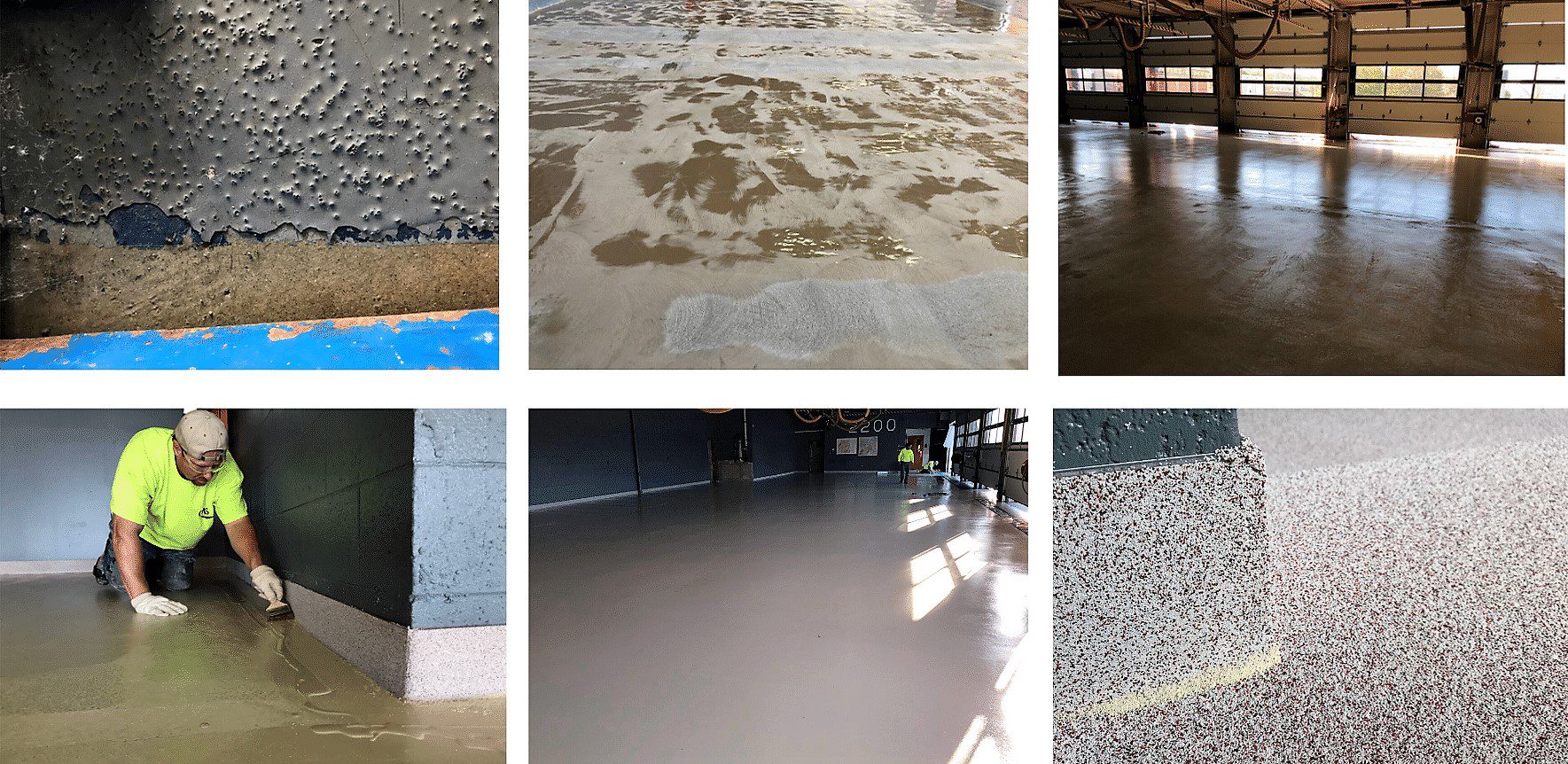
Factors Affecting Epoxy Flooring Prices
One of the most common uses of Epoxy Material Prices is for flooring, especially in large factories, companies, and shopping malls. Several factors influence the price of epoxy flooring, including:
1. Area Size
The size of the area to be covered is the most important factor in determining epoxy flooring costs. The larger the space, the higher the installation cost.
2. Type of Epoxy Coating
The type of epoxy coating used also affects the price. Some coatings are more expensive than others. There are three main types of epoxy flooring:
-
Standard epoxy flooring – the most cost-effective option
-
Premium epoxy flooring – mid-range pricing
-
Luxury epoxy flooring – the most expensive option
Additionally, epoxy flooring can be solvent-based or water-based, with solvent-based flooring generally costing more than water-based options.
3. Surface Preparation
Preparation required before applying epoxy is another cost factor. Surfaces that need cleaning or priming will increase the overall installation cost.
4. Substrate Type
The type of substrate being coated with epoxy also impacts the price. Concrete substrates are generally cheaper, while wooden substrates may require more preparation and thus cost more.
5. Color
The desired color of epoxy flooring can influence cost. Darker colors often require more pigment, which can increase the price.
6. Finish Type
The type of finish affects pricing as well. High-gloss or specialty finishes are usually more expensive than matte or standard finishes.
7. Labor Costs
Labor costs are a significant factor in determining epoxy flooring prices. The amount of labor needed for installation directly affects the overall cost—the more labor required, the higher the price.
Types of Epoxy Material Prices Flooring
There are several types of epoxy flooring, each with unique advantages and applications. The most common types include:
-
Solid Epoxy Flooring
This is the most widely used type of epoxy flooring. It consists of a single layer of epoxy that is highly durable and strong. Solid epoxy flooring is suitable for commercial environments such as factories, malls, and offices where high strength and durability are required. However, it can be more expensive due to its quality.
-
Epoxy Mortar Flooring
This system is based on mixing epoxy with specially manufactured sand. It provides extremely high pressure resistance and consists of multiple layers of epoxy applied over a concrete substrate. It is highly durable and suitable for heavy traffic areas, making it ideal for commercial use such as factories, malls, and offices.
-
Epoxy Terrazzo Flooring
Known for its high abrasion resistance and slip-resistant properties, epoxy terrazzo flooring is durable and able to withstand heavy traffic. It is commonly used in hospitals, airports, factories, restaurants, hotels, markets, and staircases. It also provides a distinctive decorative appearance.
Floor-IN: A Key Player in Epoxy Material Prices Flooring Solutions
Founded over two decades ago, Floor-IN has built a strong reputation in the realms of industrial and commercial epoxy flooring systems. According to their website, the company boasts “several years experience over 20 years in the industry of epoxy flooring systems
Based in Cairo, Egypt (246 El Jawhara Building 2, El-Mokatam Street) and with an office in Dubai, UAE, Floor-IN caters to a broad regional market.
The company emphasizes that its epoxy coatings are “highly customizable” — meaning that clients can select from varied finishes (high gloss or matte), a wide palette of colours, and tailored layering systems suited to different functional demands.
For your discussion of epoxy material pricing, Floor-IN serves as a practical reference point: the cost of a flooring project installed by them will vary depending on the thickness of the epoxy layers, the surface preparation required, the chosen finish (e.g., standard vs high-gloss), and whether special additives (e.g., anti-slip, chemical-resistant) are included. These are the same factors that most contractors (including Floor-IN) highlight when quoting epoxy flooring projects. For example, properly preparing a substrate and choosing premium finish options raise the installation cost — but also enhance durability, which in turn affects long-term value.
Thus, when presenting typical price ranges or cost-factors in your article, you might note: “As seen in providers such as Floor-IN, the base material cost is only part of the story; the final quoted price is significantly influenced by site preparation, finish type, layer thickness and project size.” Using Floor-IN as a case study or benchmark adds credibility and a real-world anchor to your pricing discussion.
Conclusion
Many factors determine the Epoxy Material Prices flooring, including the area size, complexity of installation, and the type of existing flooring. For instance, installing epoxy over existing tiles or concrete is usually simpler and less expensive.
Ultimately , the type of epoxy flooring is the most important factor affecting the final cost. Understanding these factors helps you make informed decisions for your flooring project.