Skip to content
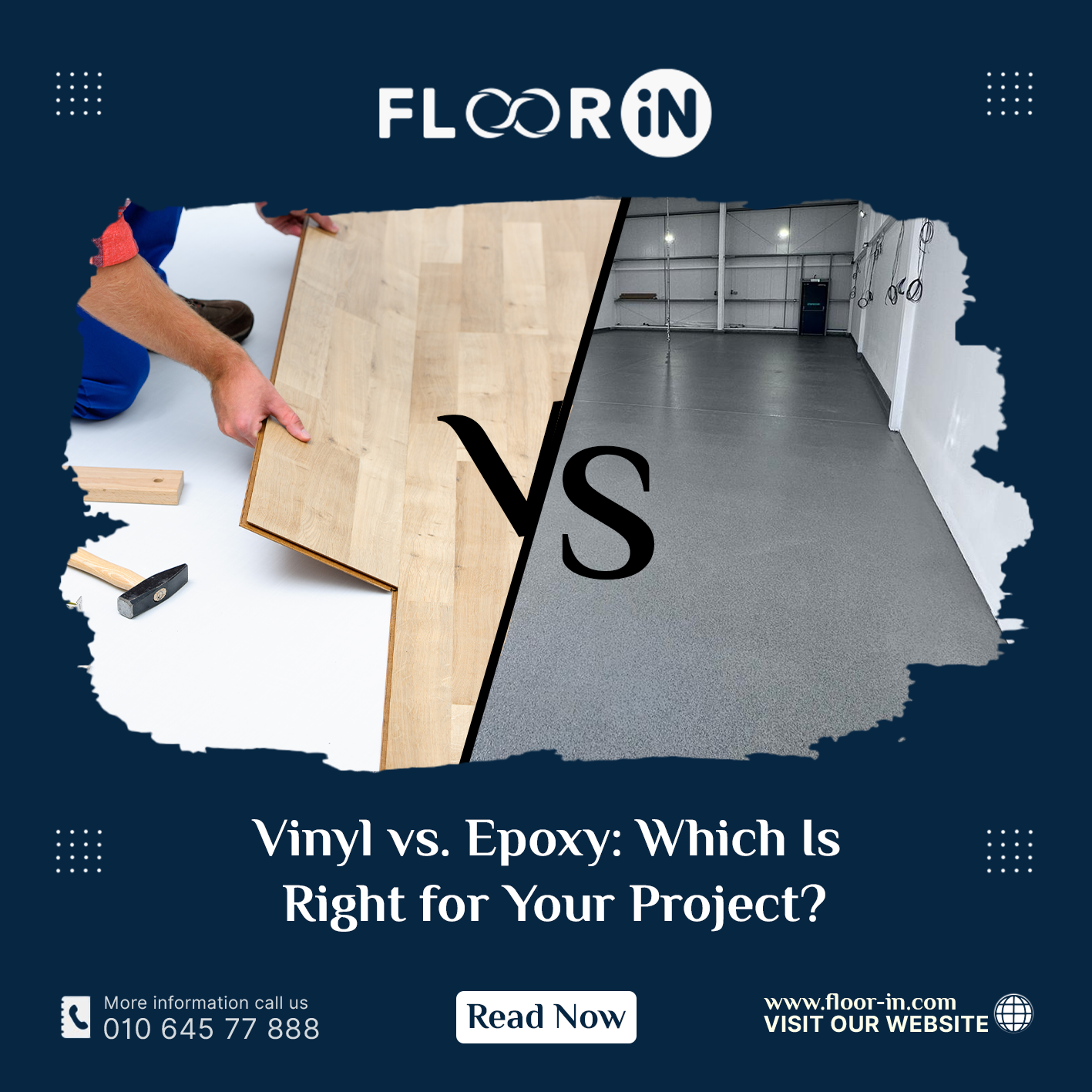
Vinyl vs. Epoxy: Which Is Right for Your Project? When choosing the right materials for interior design or construction projects, you may find yourself torn between vinyl and epoxy flooring. Both options offer unique advantages, but the differences between them can be decisive depending on the nature of your project.
In this article, we’ll present a detailed comparison between vinyl and epoxy in terms of performance, durability, cost, and aesthetics.

What Is Vinyl Flooring in Industrial Settings?
Vinyl industrial flooring is a type of surface made from a synthetic polymer material (PVC), widely used in industrial and commercial environments due to its unique properties.
It is primarily composed of polyvinyl chloride (PVC), which makes it water-resistant, easy to maintain, and flexible in design.
Advantages of Vinyl Industrial Flooring
1. Flexibility and Durability:
Vinyl is highly flexible, allowing it to adapt well to floor surfaces. This flexibility also makes it resistant to tearing or wear caused by pressure or continuous movement.
2. Water and Moisture Resistance:
Vinyl is waterproof, making it ideal for areas exposed to liquids or humidity—such as factories, warehouses, or food storage facilities.
3. Easy Maintenance:
Vinyl is one of the easiest flooring materials to maintain. It can be cleaned simply with water and soap, and it doesn’t require frequent maintenance like other flooring types.
4. High Performance in Harsh Industrial Environments:
In industrial areas with heavy traffic or chemical exposure, vinyl can withstand these conditions without significant damage. It’s also resistant to scratches and general wear.
5. Cost-Effectiveness:
Vinyl is an economical option compared to other flooring types such as epoxy or ceramic tiles. Installation and maintenance costs are relatively low.
6. Variety of Designs:
Vinyl comes in a wide range of colors and patterns, offering versatility to suit different tastes and needs. It can also be designed to imitate other materials like wood or stone.
Types of Vinyl Flooring
-
Soft Vinyl: Used in areas that require comfort and flexibility, such as offices or hospitals. It is less resistant to pressure compared to other types.
-
Rigid Vinyl: Designed for areas demanding extra durability, such as factories or warehouses with heavy traffic.
-
Vinyl Sheet Flooring: Permanently installed using adhesive, commonly found in commercial and industrial spaces.
-
Vinyl Plank Flooring: Mimics the appearance of wood or tiles and is popular where both aesthetics and durability are desired.
Common Applications of Vinyl Flooring
-
Factories and Warehouses: Due to its durability and resistance to wear, vinyl is used in facilities with heavy equipment traffic.
-
Hospitals and Schools: Its waterproof and easy-to-clean properties make it an excellent choice.
-
Shops and Offices: With multiple design options, vinyl offers both style and strength for professional environments.
Overall, vinyl is a practical and efficient solution for industrial flooring, balancing cost, performance, and durability, making it a preferred choice in many applications.
Vinyl vs. Epoxy: Which Performs Better?
1. Performance Vinyl vs. Epoxy
Vinyl:
Vinyl is known for its flexibility and adaptability to various environmental conditions. It’s a popular flooring choice thanks to its ease of cleaning and water resistance. Its flexible composition allows it to withstand pressure and impact, making it ideal for high-traffic areas like schools and hospitals.
Epoxy:
In terms of performance, epoxy is stronger and more durable than vinyl. It can handle high temperatures and chemical exposure, making it ideal for factories, warehouses, or areas dealing with harsh chemicals. Epoxy also provides a highly resistant surface, perfect for spaces requiring extra protection such as garages and industrial plants.
2. Durability Vinyl vs. Epoxy
Vinyl:
While durable, vinyl is less resistant to scratches and tearing than epoxy. It may become damaged from heavy friction or falling objects, though it remains unaffected by humidity or temperature changes.
Epoxy:
Epoxy offers superior strength and resistance to extreme conditions. It is scratch-resistant, chemical-resistant, and wear-resistant—ideal for long-lasting performance in industrial or commercial environments. However, it may require periodic maintenance to preserve its quality over time.
3. Cost Vinyl vs. Epoxy
Vinyl:
Vinyl flooring is generally more affordable than epoxy. It’s an excellent option for budget-conscious projects that need periodic renovations, such as schools or offices. Installation costs are also relatively low, making it a cost-effective choice for limited budgets.
Epoxy:
Though more expensive, epoxy’s long lifespan and durability can offset its higher upfront cost. If you’re looking for a long-term investment that requires less maintenance, epoxy is worth the added expense.
4. Aesthetic Appeal Vinyl vs. Epoxy
Vinyl:
Vinyl comes in a wide range of colors and patterns, allowing great design flexibility. It can mimic wood, tile, or stone, offering an elegant and cozy look without a high financial commitment.
Epoxy:
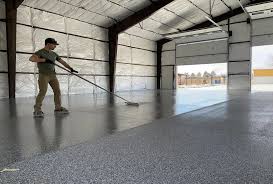
Epoxy flooring, on the other hand, provides a sleek, glossy finish that can be customized with pigments or decorative flakes for a modern or industrial appearance. It’s often chosen for showrooms, galleries, and upscale facilities that require both visual appeal and practicality.
Conclusion: Vinyl vs. Epoxy — Which Should You Choose?
If you’re seeking a low-cost, easy-to-maintain, and versatile flooring solution, vinyl is the perfect choice.
However, if your project demands maximum strength, scratch and chemical resistance, and longevity, then epoxy is the better option.
Ultimately, the decision depends on your project’s needs, available budget, and intended use.
Floor In provides top-quality materials and the best types of industrial flooring to suit every project.