Skip to content
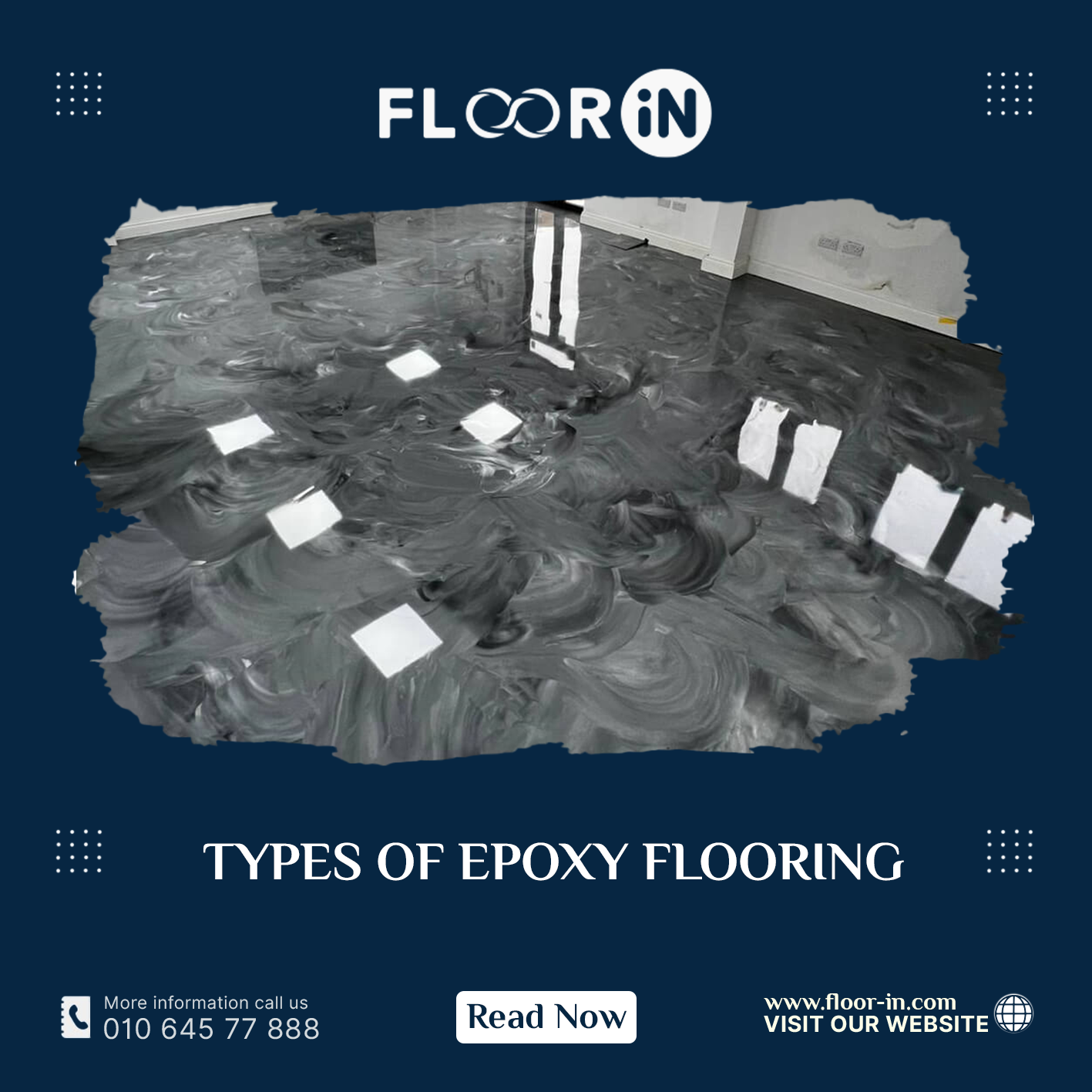
There are many different types of epoxy flooring available on the market, each with its specific applications. However, all types share common features: strength, durability, an attractive appearance, and the ability to withstand high pressure. In this article, we will explore the various types of epoxy flooring and their advantages.
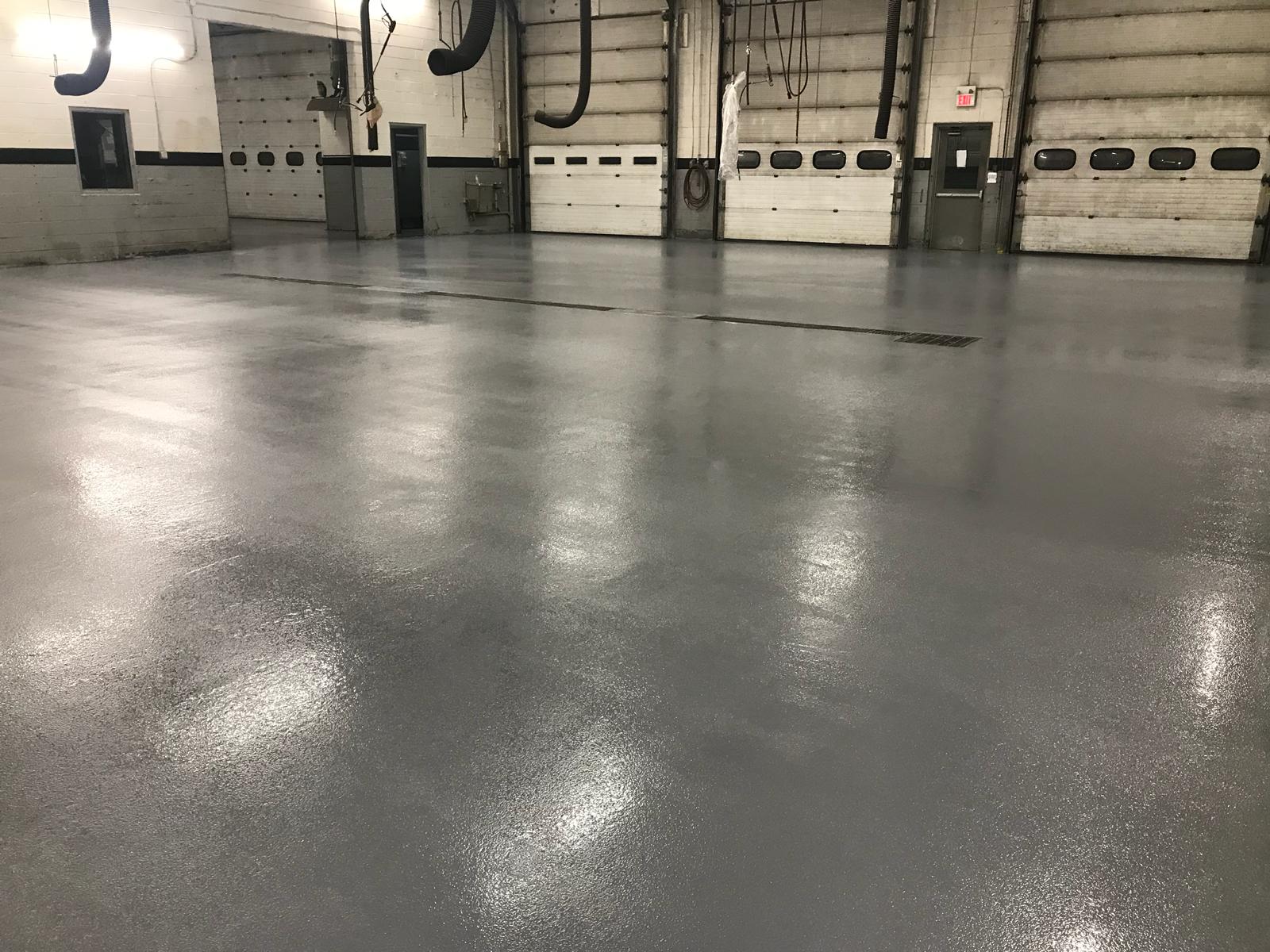
Epoxy Flooring Systems
There are several systems or methods used to install epoxy flooring, including:
1. Broadcast System
This type of epoxy flooring consists of a thin layer poured onto the surface and then broadcast with sand. It is extremely durable and suitable for high-traffic areas such as shopping malls that require high wear resistance and the ability to withstand heavy pressure.
2. Self-Leveling System
Self-leveling epoxy flooring involves pouring a thick layer of epoxy onto the surface, which is then leveled with a trowel. This type of flooring is highly durable and ideal for areas with heavy traffic. It is commonly used in industries that require high weight resistance, such as pharmaceuticals and food & beverage companies. Self-leveling epoxy is also highly resistant to bacteria, abrasion, and chemicals, while being easy to clean and maintain, giving it a consistently glossy finish.
3. Flake System
In this system, a thin layer of epoxy is poured onto the surface, and decorative flakes are broadcast on top. This type is also durable and suitable for high-traffic areas.
Types of Epoxy Flooring
There are several types of epoxy flooring, each with its own advantages and disadvantages. The most common types include:
1. Epoxy Floor Coatings
This is one of the most common systems in Egypt due to its ease of application and cost-effectiveness. It is suitable for projects and factories with light traffic and low weight loads, as well as office buildings.
2. Solid Epoxy Flooring
This type consists of a single layer of epoxy. It is extremely durable and commonly used in commercial areas.
3. Epoxy Mortar Flooring
Epoxy mortar flooring is designed to withstand heavy pressure and weight. It typically ranges from 3 cm to 5 cm in thickness and is used to level concrete surfaces or adjust slopes. It consists of multiple layers of epoxy applied over a concrete base and can handle high traffic volumes.
4. Terrazzo Epoxy Flooring
This is one of the best industrial flooring systems, known for its high resistance to abrasion, corrosion, and slips. Terrazzo epoxy consists of a concrete base topped with an epoxy layer and is commonly used in airports, hospitals, factories, hotels, and restaurants.
5. Metallic Epoxy Flooring
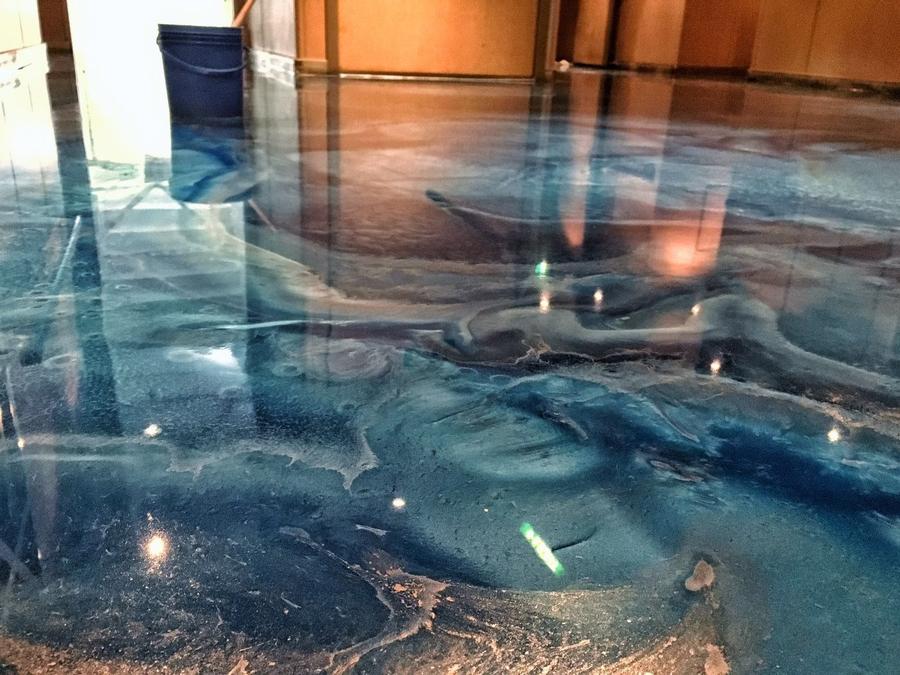
Metallic epoxy is one of the newest types of epoxy flooring and serves as an alternative to ceramic or porcelain tiles. It is easy to apply, has good durability, and offers a stylish appearance. Floor In was one of the first companies to implement this type in Egypt. It is often used in commercial spaces such as restaurants, cafes, and office buildings.
Advantages of Epoxy Flooring Types
-
Self-leveling epoxy is ideal for high-traffic areas. It is smooth, easy to clean, and resistant to stains and scratches.
-
Garage epoxy flooring is solid and durable, making it suitable for heavily trafficked areas. It is also resistant to oil and gasoline, making it a perfect choice for workshops and garages.
-
Metallic epoxy flooring adds an elegant touch to any space. It is available in a variety of colors and finishes, making it perfect for businesses seeking a premium look without excessive costs.
-
Epoxy coatings are a great way to protect concrete floors from damage, stains, and fading.
-
Epoxy flooring can be customized to match any color or pattern, allowing you to achieve a specific design vision.
Floor-IN: A Specialized Provider of Epoxy Flooring Solutions
Floor-IN is a leading company in the field of epoxy flooring systems, with more than 20 years of professional experience in commercial, industrial, and architectural projects. The company offers tailored installation services that include surface preparation, coating selection, multi-layer system design, and finishing. Their range covers high-gloss coatings, anti-slip textures, chemical-resistant systems, and decorative finishes such as metallic and quartz epoxy floors.
With offices in Cairo and Dubai, Floor-IN serves sectors including factories, warehouses, hospitals, hotels, automotive service areas, and modern commercial spaces. Their expertise illustrates how different epoxy flooring types can be selected and customized according to a project’s functional requirements, budget, and aesthetic goals.
Conclusion
There are many types of epoxy flooring, each with unique characteristics and applications. The choice depends on the nature of your project—whether it requires high pressure resistance or is a commercial/administrative space with lower load requirements.