Skip to content

It is essential to understand polyurethane prices and how they are determined, as polyurethane is a versatile material that offers a wide range of benefits. One of the key advantages of polyurethane is its exceptional strength and durability, as well as its resistance to corrosion and tearing. This makes it an excellent choice for applications where high durability and heavy-duty performance are required, such as in large companies, factories, and shopping malls. In this article, we will explore how polyurethane prices are determined.
Uses of Polyurethane
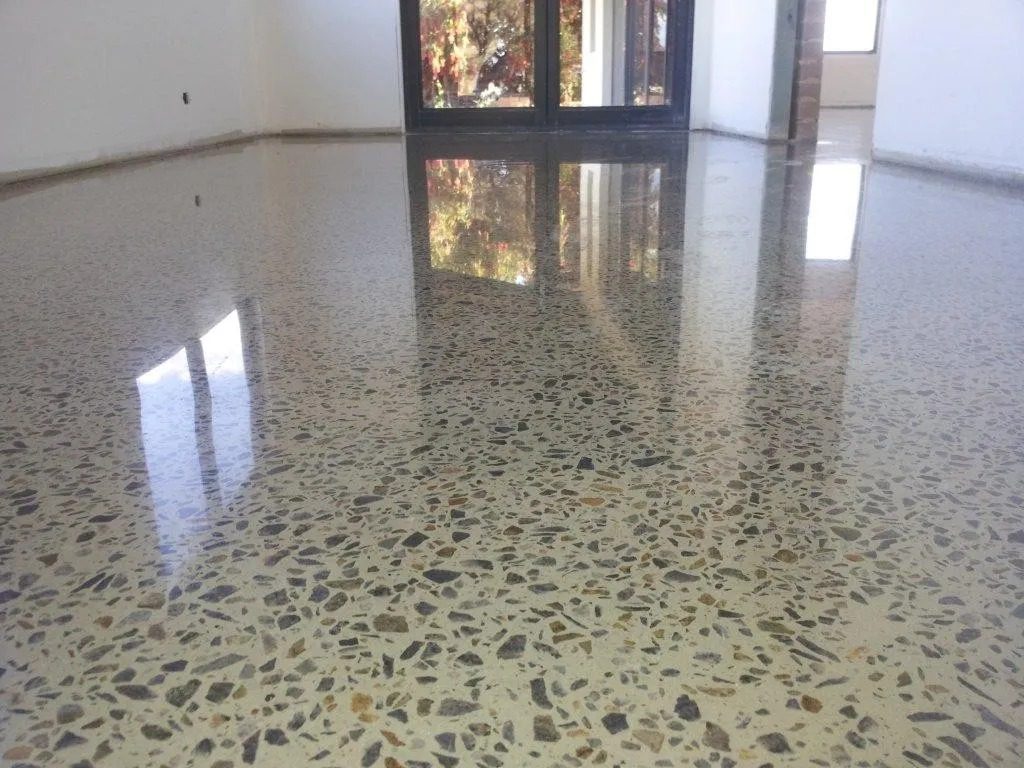
Polyurethane is a versatile material that offers numerous benefits. For instance, it can be used in flooring and in the creation of durable interior and exterior components. Some of the main advantages of polyurethane include:
-
Polyurethane is long-lasting and can retain its appearance for years.
-
It is water- and moisture-resistant.
-
It is easy to clean and does not accumulate dust or debris.
-
Polyurethane is flame-resistant and can help minimize damage in the event of a fire.
-
It is non-toxic, environmentally friendly, and safe for use.
Other benefits include:
-
Cost-effective compared to the benefits it offers.
-
Highly versatile with multiple applications.
-
Attractive and aesthetically pleasing appearance.
-
Strong and durable, able to withstand high pressure.
-
Flexible and resistant to impacts without cracking.
-
Easy to handle and shape into various forms and sizes.
-
Excellent insulation properties, keeping spaces warm in winter and cool in summer.
Factors Affecting Polyurethane Prices
The price of polyurethane is determined by several factors, including:
-
Raw Material Costs
The most significant factor affecting polyurethane pricing is the cost of raw materials used in its production. For example, the price of oil, a key component in manufacturing polyurethane, has a direct impact on its cost. Increases in oil prices lead to higher polyurethane prices. This also applies to essential chemicals and any additives used in production, which together determine the cost of the final product. -
Manufacturing Costs
This includes energy costs as well as labor expenses involved in production. -
Polyurethane Type and Quantity
The type of polyurethane, the quantity ordered, and the delivery location all influence pricing. -
Equipment Costs
The machinery used during production can also affect the final price. -
Shipping and Handling
Transportation costs may vary depending on the client’s location and the quantity of material shipped.
Polyurethane Prices: Key Factors and Market Variations
Polyurethane prices vary widely depending on several factors, including the type of polyurethane system (rigid, flexible, or flooring-grade), raw material market conditions, and project scope. In flooring applications, polyurethane is often priced per square meter, with costs influenced by the thickness of the coating, substrate preparation requirements, and the performance specifications required (such as anti-slip properties, chemical resistance, or UV stability). Global supply conditions for isocyanates and polyols—the key raw components—also have a direct impact on price fluctuations, especially in periods of increased industrial demand or shipping delays.
On average, polyurethane flooring systems tend to be slightly higher in price than standard epoxy coatings due to their enhanced elasticity, abrasion resistance, and long-term durability, particularly in environments exposed to mechanical impact or thermal cycling. For commercial and industrial facilities, the higher upfront investment in polyurethane can be offset by reduced maintenance costs and extended service life.
Companies such as Floor-IN provide tailored polyurethane flooring solutions and can offer accurate pricing estimates based on site conditions and performance requirements.
Polyurethane Prices Overview
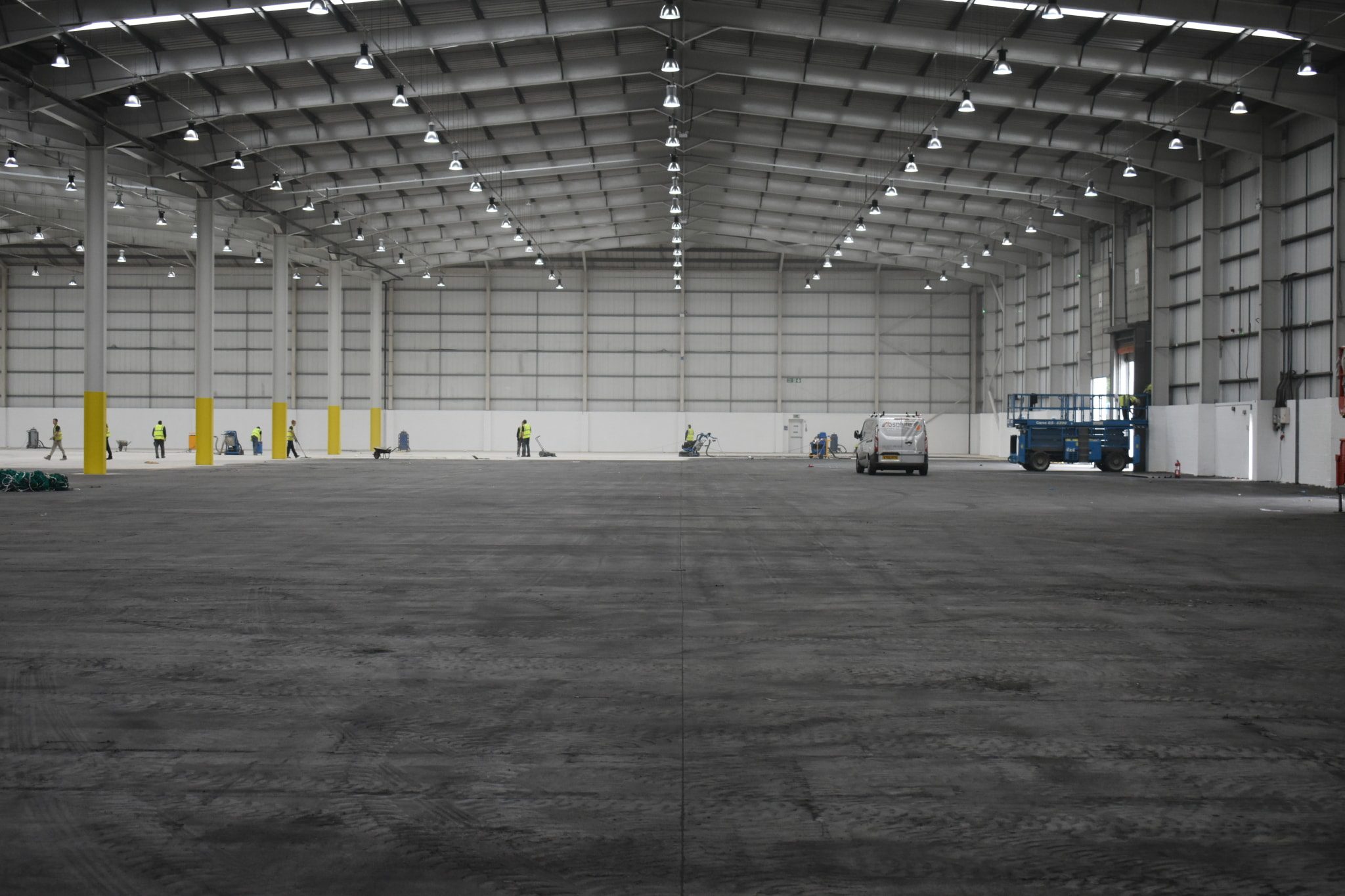
Polyurethane is a versatile material used in a variety of applications, which leads to high demand and price variability. Differences in price can also result from the type of polyurethane; for example, rigid foam is generally more expensive than flexible foam.
In general, polyurethane pricing is influenced by multiple factors, with raw material costs and demand being the most significant. Other important considerations include polyurethane grade, quantity ordered, and delivery location.
At its most basic level, the price of polyurethane depends on raw material costs and manufacturing expenses, although additional factors such as shipping, taxes, and fees can also play a role. Higher-grade polyurethane typically costs more due to its superior durability and performance properties. Similarly, bulk orders may lower the unit price as manufacturing and shipping costs are distributed over a larger quantity.
Conclusion
Polyurethane is non-toxic, environmentally friendly, and recyclable, making it an ideal choice for applications where safety is a priority. It is also relatively cost-effective, offering excellent value for many uses. Polyurethane is not only versatile and durable, but its rising popularity has increased interest in polyurethane prices. Pricing is influenced by a variety of factors, including raw material costs, manufacturing processes, and shipping, all of which contribute to the final cost.