Skip to content
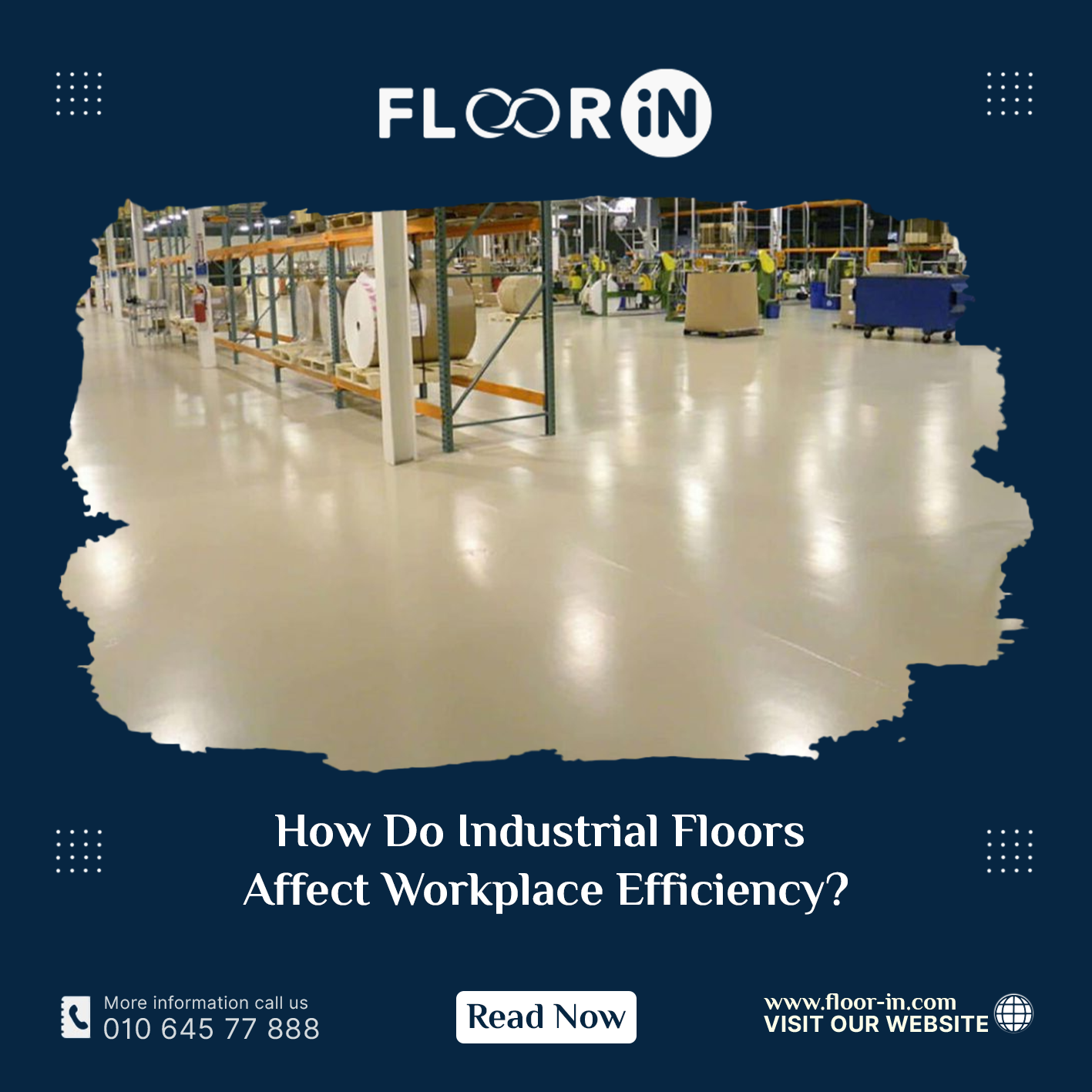
Industrial flooring is one of the fundamental elements that directly influence the efficiency of the work environment in any facility. It is not merely a surface layer but a crucial factor in enhancing productivity and safety within the workplace. The right choice of flooring type and its impact on employees go beyond aesthetic or visual considerations — extending to the comfort, safety, and overall performance of workers.
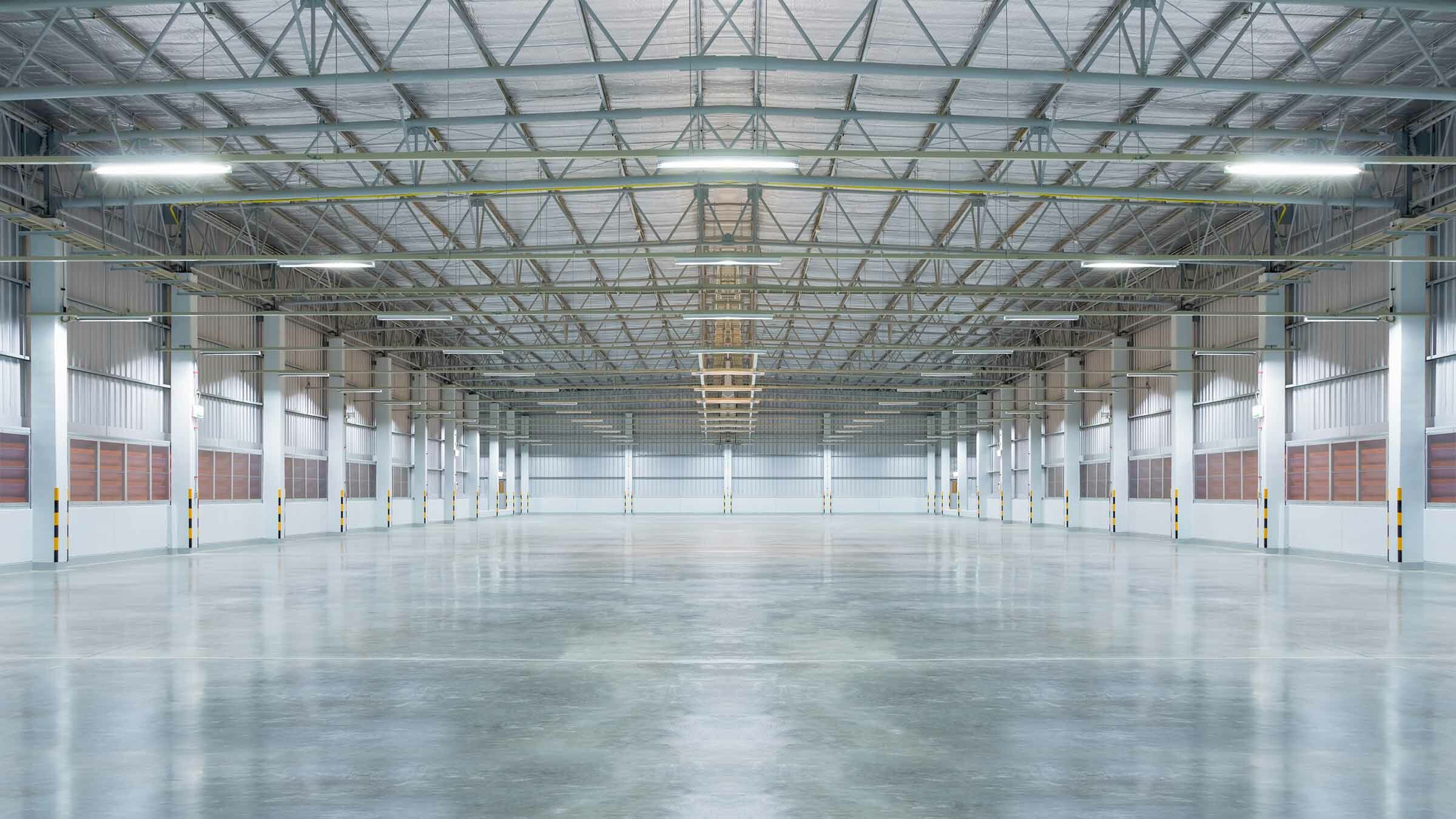
How Do Industrial Floors Affect Workplace Efficiency?
Industrial floors affect workplace efficiency through several key aspects:
1. Enhancing Comfort and Reducing Fatigue
Industrial floors made from rubber materials or those with shock-absorbing properties play a significant role in reducing fatigue caused by standing for long periods. Such flooring minimizes pressure on joints and feet, improving workers’ comfort and, consequently, their efficiency and productivity.
2. Promoting Safety
Safety is one of the most critical factors in any facility, and industrial flooring plays an essential role in creating a safe work environment. Non-slip flooring helps reduce accidents such as slips and falls, especially in areas prone to moisture or liquid spills. Moreover, durable, wear-resistant flooring capable of withstanding heavy loads ensures a stable working surface that supports manufacturing and transport operations.
3. Improving Production Efficiency
Properly designed flooring contributes to higher production efficiency. Smooth floor surfaces facilitate the movement of heavy equipment and vehicles within the facility, reducing transport time and increasing operational speed. In addition, strong and durable flooring minimizes maintenance needs, saving both time and resources.
4. Ease of Maintenance and Cleaning
Industrial floors are generally easier to clean and maintain compared to traditional flooring. Materials such as vinyl or epoxy are resistant to stains and moisture, preventing the buildup of dirt and contaminants. This ensures a clean, hygienic work environment — a key factor for maintaining productivity and employee comfort.
5. Environmental and Health Factors
Industrial flooring contributes to improved indoor air quality, especially when designed to resist bacteria and mold growth. Additionally, sound-insulating flooring reduces noise levels in large workspaces like factories and warehouses, providing a calmer, more comfortable environment that promotes concentration.
6. Enhancing Organization and Discipline
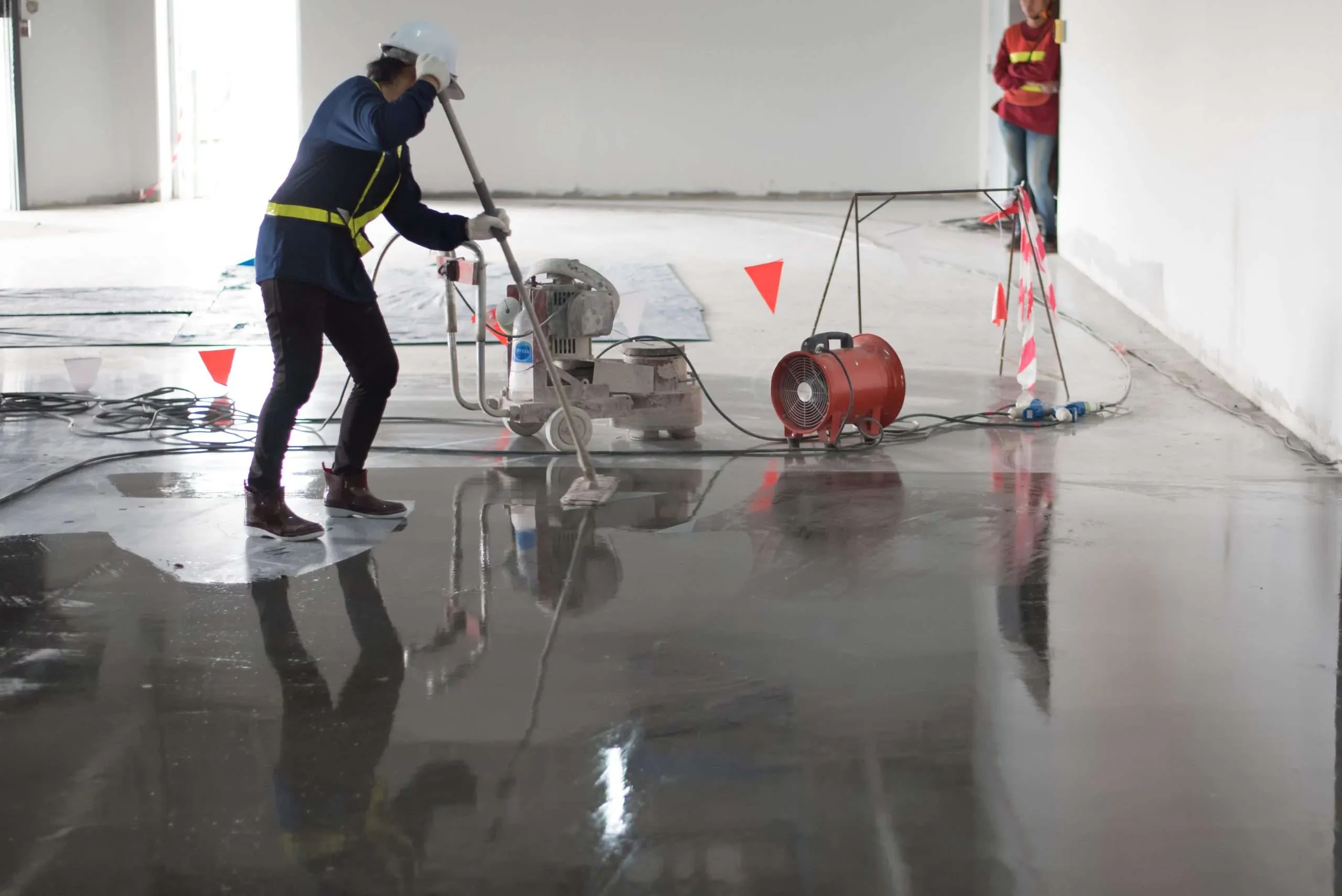
Industrial floors help organize workspace layouts more effectively. For example, color-coded flooring can be used to designate specific zones, such as production areas or storage sections. This improves navigation, reduces clutter, and promotes discipline and productivity within the facility.
7. Long-Term Cost Efficiency
Beyond their immediate benefits in safety and productivity, industrial floors also influence long-term costs. High-quality flooring requires less frequent maintenance or replacement, resulting in reduced expenses over time and better return on investment.
8. Supporting Environmental Sustainability
In an era of growing environmental awareness, industrial flooring has become part of the sustainability movement. Many modern flooring materials are eco-friendly — made from recyclable components or manufactured using low-impact processes. Some even feature thermal insulation properties that reduce energy consumption within facilities. Thus, industrial flooring not only enhances the work environment but also contributes to reducing the environmental footprint of industrial operations.
9. Selecting the Right Flooring for Each Work Environment
Every facility has unique needs, and the choice of industrial flooring must align with the nature of the work and environment.
-
In facilities handling chemicals or flammable materials, floors must be resistant to heat and chemical reactions.
-
In healthcare settings such as hospitals and clinics, flooring that prevents bacterial and fungal growth is essential.
-
In factories using heavy or logistic equipment, floors should be designed to withstand heavy loads and resist abrasion.
By tailoring flooring choices to specific requirements, facilities can enhance overall performance, minimize accident-related costs, and improve employee satisfaction.
Floor In company offers the best industrial flooring materials and assists clients in selecting the ideal flooring for their specific work environments.
10. Innovation in Industrial Flooring Design
Innovation is a driving force in improving workplace flooring. Advances in manufacturing technologies have led to the development of new materials with advanced properties such as sound insulation and integration with renewable energy systems — including solar or smart energy floors. Modern innovations have also produced flexible and easy-to-install flooring solutions that enhance time efficiency and reduce long-term maintenance costs.
11. Psychological Impact of the Surrounding Environment
The influence of industrial flooring extends beyond physical factors to psychological well-being. A clean, organized workspace positively affects employee morale. Floors with calming colors or materials that provide comfort contribute to better mood, increased motivation, and higher productivity. A visually appealing and well-maintained work environment fosters a sense of belonging and reduces stress, supporting overall employee well-being.
12. Integration with Other Workplace Elements
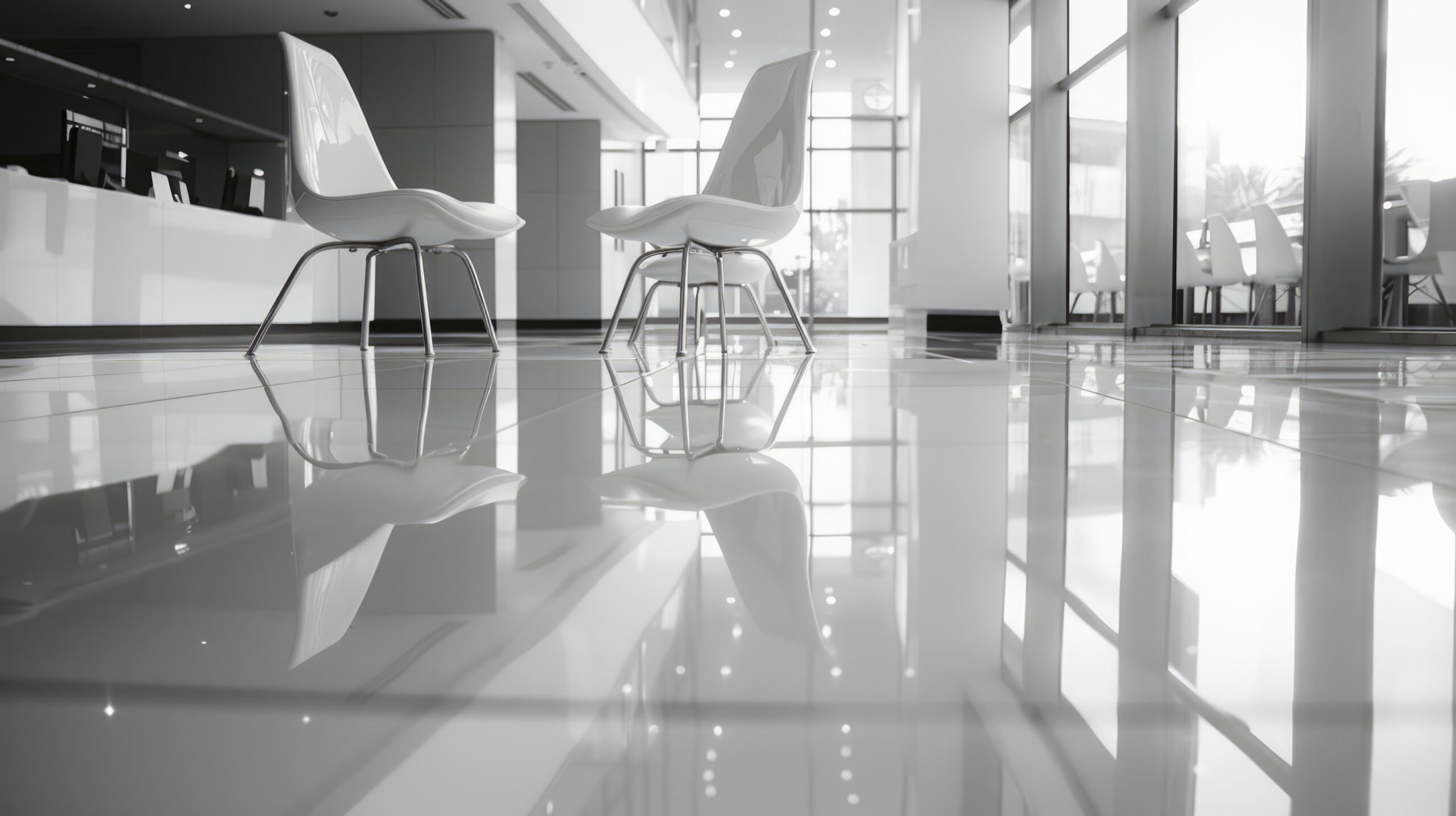
Industrial flooring should not be viewed in isolation from other environmental components. It must integrate seamlessly with lighting systems, ventilation, and overall interior design. Modern industrial floors not only provide comfort and safety but also form part of an interconnected ecosystem that enhances productivity and safety. For instance, light-reflective flooring can improve overall brightness in the workspace, reducing the need for artificial lighting and lowering energy costs.
Conclusion
Choosing the right industrial flooring is not merely a visual or structural decision — it is an investment in employee comfort, productivity, and safety. With the expertise of companies like Floor-IN, businesses can ensure that their flooring systems truly support workplace efficiency by addressing both physical and psychological factors. Companies and organizations should therefore pay special attention to selecting flooring that meets their operational needs while considering comfort, safety, productivity, and environmental sustainability.
There is no denying the impact of industrial flooring on workplace efficiency. It is more than a functional or aesthetic element — it is an integral part of productivity and safety strategies. By choosing suitable flooring, especially through professional providers such as Floor-IN, businesses can enhance worker comfort, reduce accidents, and boost production efficiency, ultimately contributing to the overall success of the organization.